2009 World Habitat Day
The United Nations has designated the first Monday each October as World Habitat Day. This site was created to help others promote the 2009 World Habitat Day.
Content is from the site's 2009 archived pages and other outside sources.
BECOME INVOLVED!
 |
World Habitat Day 2009: President Obama's speech.
Monday, October 5, 2009
Let's stand up on World Habitat Day and let it be known that affordable, adequate housing should be a priority everywhere—in our communities, in our towns, in our country, in our world.
As a housing contractor, I’ve spent most of my career thinking about foundations, framing, and roofs — the physical pieces that turn lumber and concrete into a home. But reading about the mission behind World Habitat Day reminded me that housing is really about something deeper than construction. It’s about stability, dignity, and giving people a place where life can begin to heal and grow.
This message resonated with me personally because my daughter recently completed treatment for binge eating disorder. It was a difficult time for our family watching her struggle, and during her recovery she made a decision that surprised me — she wanted to volunteer with Habitat for Humanity. She said she needed something positive to focus on, something that would help shift her attention away from constant thoughts about food and toward something meaningful.
At first I planned to simply support her from the sidelines, but as someone who works in housing construction I realized I could do more than that. I joined her. Together we helped organize a small fundraising effort and signed up to contribute sweat equity on a Habitat build in our neighborhood.
Those weekends working side-by-side turned out to be one of the most meaningful experiences of my life. As a contractor I’ve worked on many projects, but this one felt different. When you’re volunteering, you’re not focused on contracts or deadlines — you’re thinking about the family who will eventually live in that home and what it will mean for their future.
The most powerful part for me was seeing what the experience did for my daughter. Instead of battling constant food obsession, she was measuring lumber, helping organize materials, and working alongside people who shared the same purpose. Each wall we raised gave her a sense of pride and accomplishment.
Volunteering gave her something positive to focus on and helped rebuild her confidence during recovery. It reminded both of us that service and community can be incredibly healing.
I’m grateful that initiatives like World Habitat Day and organizations like Habitat for Humanity help bring attention to the importance of safe, affordable housing. Having a stable home can change the trajectory of a family’s life.
For us, helping build one was more than volunteer work — it was a powerful reminder that sometimes the act of building something for others can help rebuild something within ourselves too. Roger Sherman II
News Facts
|
||||||
|
||||||
U.S. Housing Facts |
||||||
|
||||||
Global poverty facts |
||||||
|
||||||

~~~
AN ASIDE: Jump ahead a decade to 2019.World Habitat Day is still celebrated. This is a good sign.
"Solutions begin with small steps individuals can take to alter the way our cities function. We must reduce the amount of waste we produce, and, at the same time, start seeing it as a valuable resource that can be re-used and recycled, including for energy." — UN Secretary-General António Guterres
This year’s Global Observance of World Habitat Day was held in Mexico City on Monday, 7 October. Celebrations were held across the world, including in the capital of Cameroon - Yaounde, Nakuru in Kenya, and Vancouver in Canada. The 2019 theme: Frontier Technologies as an innovative tool to transform waste to wealth built on last year’s theme “Municipal Solid Waste Management” which focused mainly on managing garbage, the focus of this year’s World Habitat Day is promoting the contribution of innovative frontier technologies to sustainable waste management to achieve Sustainable Development Goal 11: inclusive, safe, resilient and sustainable cities. Going beyond solid waste this includes all waste produced by human activity (solid, liquid, domestic, industrial and commercial), which continues to have a devastating impact on climate change, public health and the environment.
I planned to travel to Mexico City and bring with me a selection of womens glasses that would be donated with the help of the International Women's Club of Mexico City which supports a number of charities. I had contacted a local eyeglass store in Connecticut where I live to see if they would donate some women's frames. Eyeglasses.com has a large presence online as well as three brick and mortor stores. I order from their online store all the time. The owner was receptive to my request so I actually took more than three dozen eyeglass frames with me. I really enjoyed visiting the National Anthropology Museum of Mexico City where World Habitat Day was celebrated this year. Global observance of World Habitat Day in Mexico was enthusiastically supported by UN-Habitat Executive Director Maimunah Sharif, who attended the event and took part in the joint declaration together with Martha Delgado, Undersecretary for Multilateral Affairs and Human Rights, in her role as UN-Habitat Assembly President, and Mexico City Environment Secretary Marina Robles.
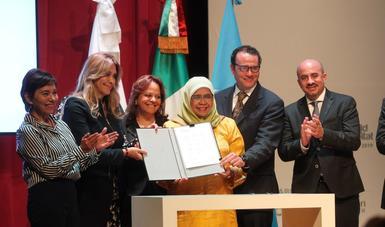
The day after the World Habitat Day celebration I returned to the museum to spend some time. The National Museum of Anthropology (Museo Nacional de Antropologia) in Mexico City contains the world's largest collection of ancient Mexican art and also has ethnographic exhibits about Mexico's present-day indigenous groups. The museum has 23 permanent exhibit halls. Archaeology exhibits are located on the ground floor and ethnographic exhibits about present-day indigenous groups in Mexico are on the upper level. It's well worth visiting if you are ever in Mexico City. I spent two days walking through the exhibits. Don't miss the large courtyard in the museum, which is a nice place to rest when you want to take a break.
The theme for World Habitat Day 2009 is "Planning our Urban Future"
Celebrations of World Habitat Day in Washington, D.C. will be an excellent opportunity to foster global discussion and raise the profile of shelter and urban issues at the national and international level. Events in the United States and around the world include policy forums, award presentations, luncheons, dinners, house-building and exhibitions.
World Habitat Day 2009: Dr. Anna Tibaijuka Dr. Anna Tibaijuka, UN-HABITAT executive director, speaks at the kick-off event for the 2009 World Habitat Day global observance. To become an advocate for Habitat, visit www.habitat.org/gov |
|||||||||||||||||||||||||||||
|
What can you do for World Habitat Day? |
|||||||||||||||||||||||||||||
|
|||||||||||||||||||||||||||||
|
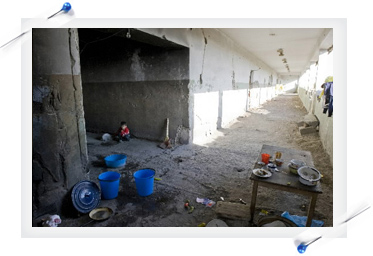
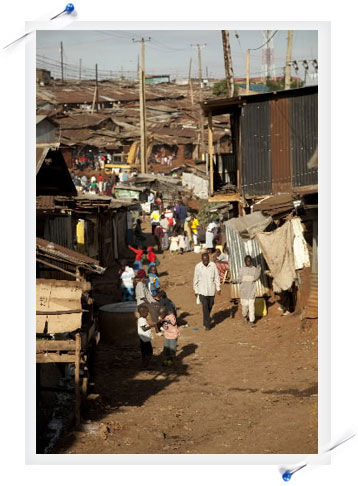
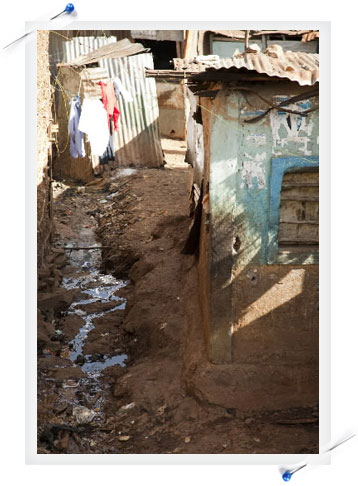
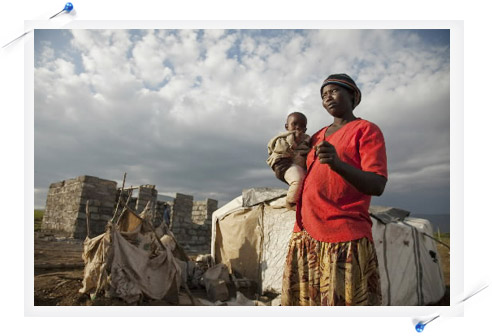
DONATE
|
||||||||||||||
|
||||||||||||||
|
||||||||||||||
|
||||||||||||||
|


More Background On WorldHabitatDayNews.com
WorldHabitatDayNews.com is an informational website dedicated to raising awareness about World Habitat Day, an annual global observance established by the United Nations to highlight the importance of adequate housing and sustainable urban development. The site focuses particularly on the activities and advocacy surrounding the 2009 World Habitat Day campaign, but its content also provides broader context about global housing challenges, nonprofit initiatives, and international policy discussions related to urbanization.
Although relatively small in scale compared with major international news portals or government websites, WorldHabitatDayNews.com serves an important role as a digital resource that explains the purpose of World Habitat Day and promotes public engagement with housing-related issues. The website functions as a blend of educational resource, advocacy platform, and historical archive documenting the campaigns and conversations surrounding housing policy and urban development during the late 2000s.
Through statistics, commentary, organizational partnerships, and descriptions of global initiatives, the site helps readers understand the scale of the worldwide housing crisis and the collaborative efforts required to address it.
The Global Importance of World Habitat Day
World Habitat Day was established by the United Nations General Assembly in 1985 and is observed on the first Monday of October every year. The day was created to encourage reflection on the state of human settlements and the fundamental right to adequate housing.
Each year the observance focuses on a specific theme related to housing and urban development. These themes address pressing global concerns such as slum development, climate change, sustainable cities, waste management, and the challenges associated with rapid urbanization.
Governments, nonprofit organizations, urban planners, housing advocates, and community leaders around the world organize events to mark the occasion. These may include public forums, policy discussions, educational campaigns, exhibitions, volunteer building projects, and fundraising efforts.
The United Nations also uses the observance to present the UN-Habitat Scroll of Honour Award, one of the most prestigious global awards recognizing contributions to human settlements and housing policy.
By highlighting the social, economic, and environmental dimensions of housing, World Habitat Day serves as an important platform for encouraging international cooperation and public awareness.
The Role and Mission of WorldHabitatDayNews.com
WorldHabitatDayNews.com was created primarily to support awareness efforts related to the 2009 observance of World Habitat Day. The site’s mission centers on informing readers about the global housing crisis and encouraging individuals and communities to participate in advocacy and volunteer initiatives.
The website promotes three primary forms of engagement:
Advocacy
Encouraging citizens to support policies that prioritize affordable housing and improved urban planning.
Education
Providing statistics, reports, and educational materials that explain the scale of housing insecurity worldwide.
Donation and Volunteerism
Supporting nonprofit organizations working to provide safe and affordable housing.
By combining these elements, the site encourages visitors to move beyond awareness and toward meaningful action.
Historical Background of the Website
Based on archived versions available through digital preservation platforms such as the Internet Archive, WorldHabitatDayNews.com appears to have emerged in the late 2000s during a period when housing affordability and urban development were receiving significant international attention.
The 2008 global financial crisis, which had strong links to housing markets, placed housing policy at the center of political and economic discussions worldwide. Issues such as foreclosure, homelessness, and the need for sustainable housing became widely debated topics in government and media circles.
Against this backdrop, websites like WorldHabitatDayNews.com served as informational hubs that helped translate complex global housing issues into accessible public messaging.
The website compiled resources, statistics, and advocacy materials that could be shared by activists, educators, and community organizations.
The 2009 World Habitat Day Campaign
A central focus of the website is the 2009 World Habitat Day observance, whose theme was “Planning Our Urban Future.”
The theme addressed the growing challenges posed by rapid urbanization. By the early twenty-first century, more than half of the world’s population lived in cities, and this proportion continues to grow each year.
Urban expansion has created both opportunities and challenges:
- Increased economic activity and innovation
- Pressure on housing supply
- Infrastructure demands
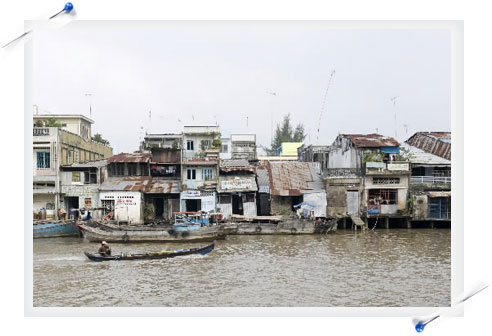
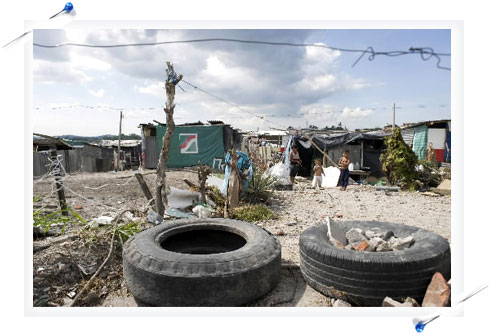
- Expansion of informal settlements and slums
- Environmental stress
The 2009 campaign emphasized the need for governments and urban planners to anticipate these trends and develop sustainable strategies for housing and urban development.
Events related to the observance were held in Washington, D.C., as well as in cities around the world.
Housing Challenges Around the World
One of the most compelling aspects of WorldHabitatDayNews.com is its presentation of statistics that highlight the scale of global housing problems.
Housing insecurity remains one of the most persistent social challenges facing humanity. Several factors contribute to the crisis:
Rapid Urbanization
Urban populations have grown dramatically in recent decades. As people migrate from rural areas to cities in search of employment and education, housing supply often fails to keep pace with demand.
This imbalance leads to overcrowded neighborhoods, informal settlements, and expanding slums.
Poverty Housing
In many regions of the world, millions of people live in structures lacking basic infrastructure such as clean water, sanitation systems, electricity, and secure building materials.
These conditions can create significant health risks and limit economic mobility.
Infrastructure Gaps
Cities facing rapid population growth often struggle to provide essential services such as transportation, waste management, schools, and hospitals.
Urban planning policies therefore play a crucial role in shaping how cities develop.
The Role of Nonprofit Organizations
The website highlights the contributions of nonprofit organizations that work to address housing inequality.
One of the most well-known organizations in this field is Habitat for Humanity, an international nonprofit founded in 1976. The organization partners with families and volunteers to build affordable housing around the world.
Habitat for Humanity has built or improved millions of homes globally and operates in dozens of countries. Its model combines volunteer labor, community participation, and affordable financing to help families achieve homeownership.
World Habitat Day campaigns often involve Habitat for Humanity affiliates hosting events such as:
- Volunteer house-building projects
- Advocacy campaigns
- Educational workshops
- Community outreach initiatives
These efforts demonstrate how grassroots engagement can complement policy-level solutions.
Supporting Organizations and Institutional Partners
WorldHabitatDayNews.com lists numerous organizations that support housing advocacy and urban development initiatives.
These include:
- Global housing research institutions
- International development agencies
- Policy think tanks
- Urban planning organizations
Such partnerships illustrate how housing policy intersects with multiple disciplines, including economics, environmental science, public health, and social policy.
Large institutions such as the World Bank and development agencies often fund housing infrastructure projects, while research organizations contribute data and policy recommendations.
Educational and Advocacy Resources
Another key feature of the website is its emphasis on education.
The site encourages visitors to learn more about housing policy by exploring reports, advocacy toolkits, and educational materials produced by housing organizations.
Educational initiatives may include:
- Community workshops about housing rights
- Policy briefings for local officials
- Research publications about urban planning
- Awareness campaigns highlighting housing statistics
These educational resources help transform housing issues from abstract global concerns into topics that communities can address locally.